
Driving Route 175 at night
risks between Oaxaca and the coast
Why driving the old Route 175 or the Barranca Larga–Ventanilla highway after dark is harder: fog, curves, animals, limited lighting, road works and poor phone coverage.
Driving from Oaxaca City toward the coast is more demanding after dark. The old Federal Route 175 combines tight mountain curves, fog around San José del Pacífico and unlit sections. The newer toll highway is straighter but still has tunnels, work zones, limited roadside services and unreliable phone coverage. Daytime travel is the safer and easier choice for most visitors.
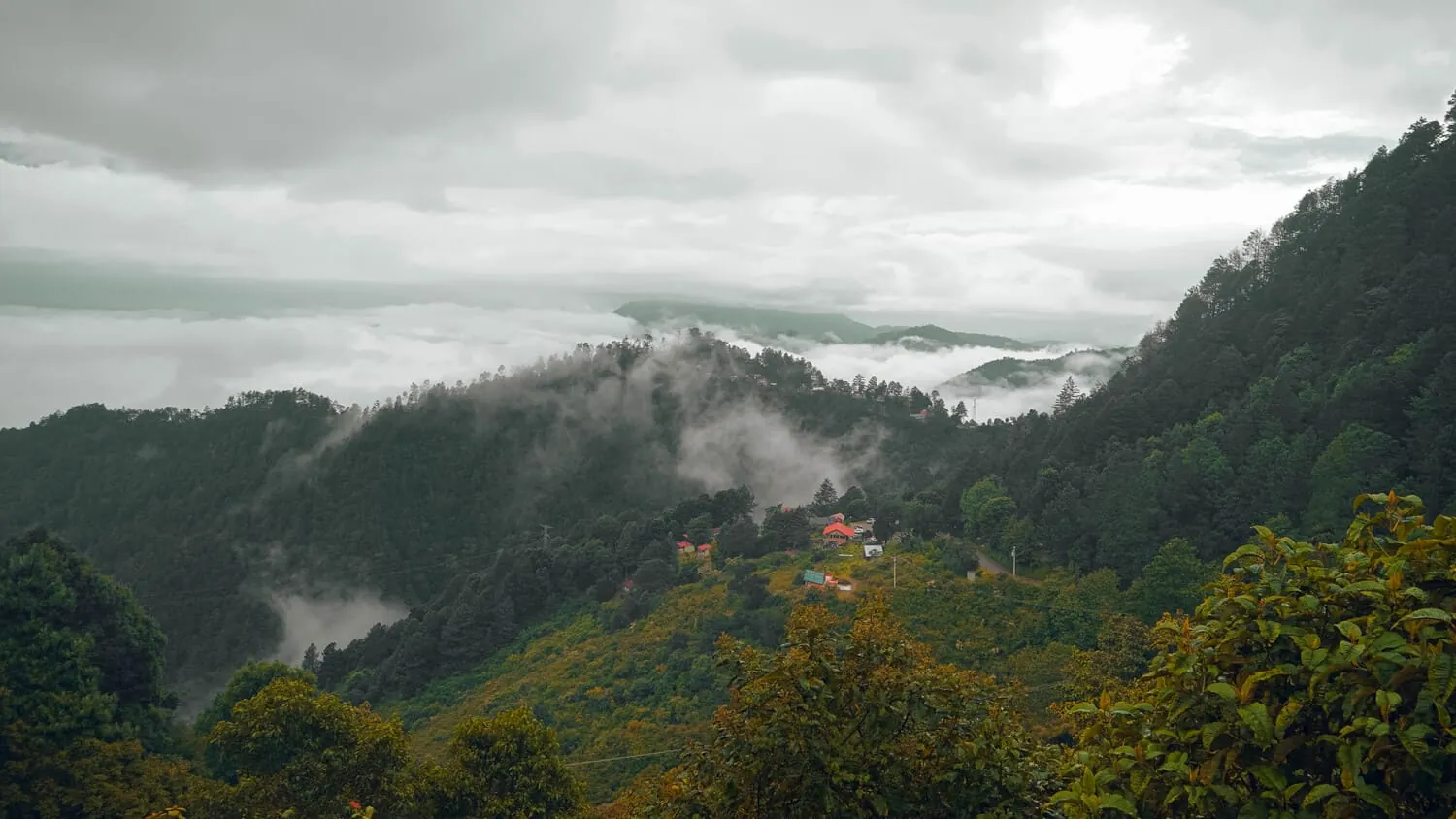
- Route 175 climbs above 8,000 ft (about 2,500 m) near San José del Pacífico, where fog can reduce visibility.
- The toll highway does not have continuous roadway lighting.
- Animals and unexpected obstacles are harder to see at night on mountain roads.
- Dated road-work information should always be rechecked before departure.
Old Route 175 vs. the toll highway after dark
| Risk | Federal Route 175 | Toll highway |
|---|---|---|
| Curves | Very frequent mountain curves | Much straighter |
| Fog | Common in the high Sierra Sur | Possible, generally less defining |
| Lighting | No continuous lighting | No continuous lighting; tunnels require extra attention |
| Phone coverage | Can be poor | Can be poor in mountain sections |
| Road work | Weather/landslide dependent | Maintenance and slope work can create one-lane sections |
Why the old Route 175 is especially difficult at night
Federal Route 175 is a scenic mountain road, but the same features that make it memorable in daylight make it tiring after dark: hundreds of curves, elevation changes, fog and limited lighting. If darkness catches you on this route, stopping for the night in a serviced town can be more sensible than pushing through the Sierra Sur while tired.
The toll highway is easier, not risk-free
Barranca Larga–Ventanilla removes many of the old road's curves and shortens the trip dramatically, but it is not an urban expressway. Mountain weather, tunnels, construction zones and gaps in mobile coverage still matter. Reduce speed when visibility drops and never treat the published travel time as a reason to rush.
If you must travel after dark
- Check road and weather conditions before leaving.
- Start with enough fuel and do not depend on late-night mountain services.
- Use low beams or fog lights in fog; high beams can reflect glare back at you.
- Increase following distance and reduce speed well below what you would use in clear daylight.
- Avoid unfamiliar unofficial detours at night.
- If visibility becomes unsafe, stop only in a safe, visible location rather than continuing blindly.
Fatigue changes the decision
A traveler landing after a long flight may be legally able to rent a car and still be poorly positioned to drive a mountain road at night. If your itinerary forces a late departure, compare the cost of a hotel or private driver with the risk of driving tired on an unfamiliar route.
Last review
This page uses road and incident information reviewed in late July 2026. Conditions, maintenance zones and official recommendations can change. Check current sources before any night drive.
Night-driving questions
Is Route 175 safe to drive at night?
It is more demanding and less forgiving than daytime driving because of tight curves, fog, animals and limited lighting. Visitors should prefer daylight when possible.
Is the new toll highway better at night?
It is straighter and faster than the old mountain road, but tunnels, work zones, weather and limited coverage still require caution.
Does San José del Pacífico get foggy?
Yes. Its high elevation makes fog a recurring visibility issue, particularly around changing weather conditions.
What if it gets dark while I am on Route 175?
Slow down, reassess conditions and consider stopping in a serviced town if visibility or fatigue makes continuing unsafe.
Is there continuous lighting on the toll highway?
No. Do not expect continuous roadway lighting across the mountain corridor.